
parker_rated_sonoma_cabernet_sauvignon_2001_helena_montana

2003 Helena Montana Cabernet Sauvignon

Tasting Notes

“The Helena Montana Vineyard 2003 vintage is a very dark to opaque ruby color. It is relatively subtle and Bordeaux-like with powerful aromas of dark fruits, blackberry, cassis and a hint of blueberry, combined with notes of graphite, slate, smoke and spice. It is full bodied and layered on the palate with tart blackberry and dark plum flavors accentuated by notes of new leather and fennel. This is a true mountain fruit wine with rocky minerality and firm tannins.” - Pierre Seillan, Vigneron/Winemaker

Acclaim

92 POINTS, Robert Parker, Jr., The Wine Advocate, December 2005
“Setting the bar high for a Knight's Valley Cabernet Sauvignon, the 2003 Cabernet Sauvignon Helena Montana exhibits a deep ruby/purple color, more structured and tannin than its sibling, along with abundant amounts of crème de cassis fruit intermixed with notions of licorice and flowers. Structured with good minerality as well as a spicy, full-bodied finish, it should be at its peak between 2007-2018+.”

Source

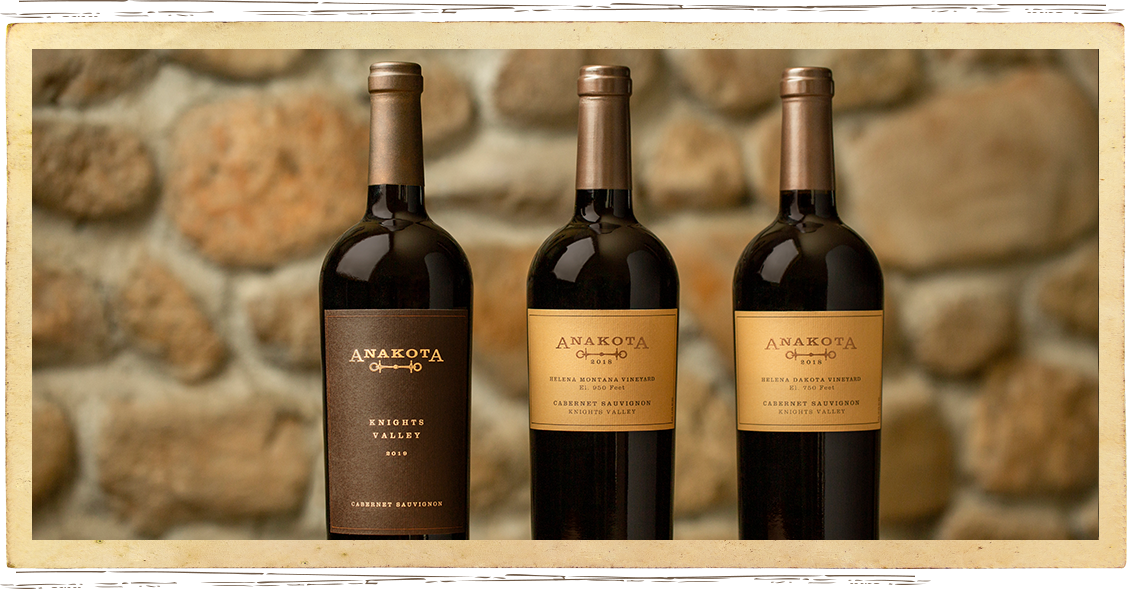
Sourced from estate-owned vineyards, Anakota is a collection of single vineyard, single varietal, Knights Valley appellation wines that personify the rustic elegance and spirit of rural Sonoma County. Situated on the flanks and foothills of Mount St. Helena, at the heart of a complex volcanic zone that erupted several million years ago, the Helena Montana Vineyard is brought to life as stressed vines struggle with the rocky soils and challenging climatic conditions to create small, intensely flavored berries.

Running from northeast to southwest on the eastern side of scenic Highway 128, this vineyard has diverse topography including rolling hills and steep benches with slopes of up to 30 degrees. It is separated from the Helena Dakota Vineyard by a pure mountain stream. Cool westerly winds are routed away from the vineyard by the juxtaposition of hills, knolls and trees. Further protection is provided by planting the vines perpendicular to the prevailing wind. This relatively warm microclimate produces ripe black fruit that makes wines with rich, pure and powerful flavors.

In addition to its unique topography, the soils of the Helena Montana Vineyard are also distinctly different from those of Helena Dakota. Yellowish white in color, it is firm, even hard, to the touch. This solid composition is actually sandy, gravelly loam that looks almost like solid rock. A stringent pruning process forces the roots of the vines down through the strata rather than allowing them to grow parallel to the surface, as they would do on their own. Still, the roots do not penetrate deeply into the earth which results in smaller and more stressed vines than those of neighboring Helena Dakota.

Statistics

  • 100% Cabernet Sauvignon
  • 14.2% Alcohol
  • 0.62 TA
  • 3.66 pH
  • Aged 14 months in 100% new French oak barrels